Auto Care Association Testifies at U.S. House Subcommittee Hearing Highlighting Vehicle Repair Access, Safety, Affordability
 BETHESDA, Md. — January 14, 2026 — The Auto Care Association today thanked the United States House Committee on Energy and Commerce’s Subcommittee on Commerce, Manufacturing, and Trade (CMT) for holding a timely and important hearing to examine legislative options to strengthen motor vehicle safety, ensure consumer choice and affordability, and cement U.S. automotive leadership.
The association commended Chairman Bilirakis, R-Fla.-12, Ranking Member Schakowsky, D-Ill.-9, and members of the Subcommittee for their leadership and thoughtful consideration of bipartisan solutions that recognize the rapidly evolving nature of vehicle technology and its impact on safety, repair, and consumer costs.
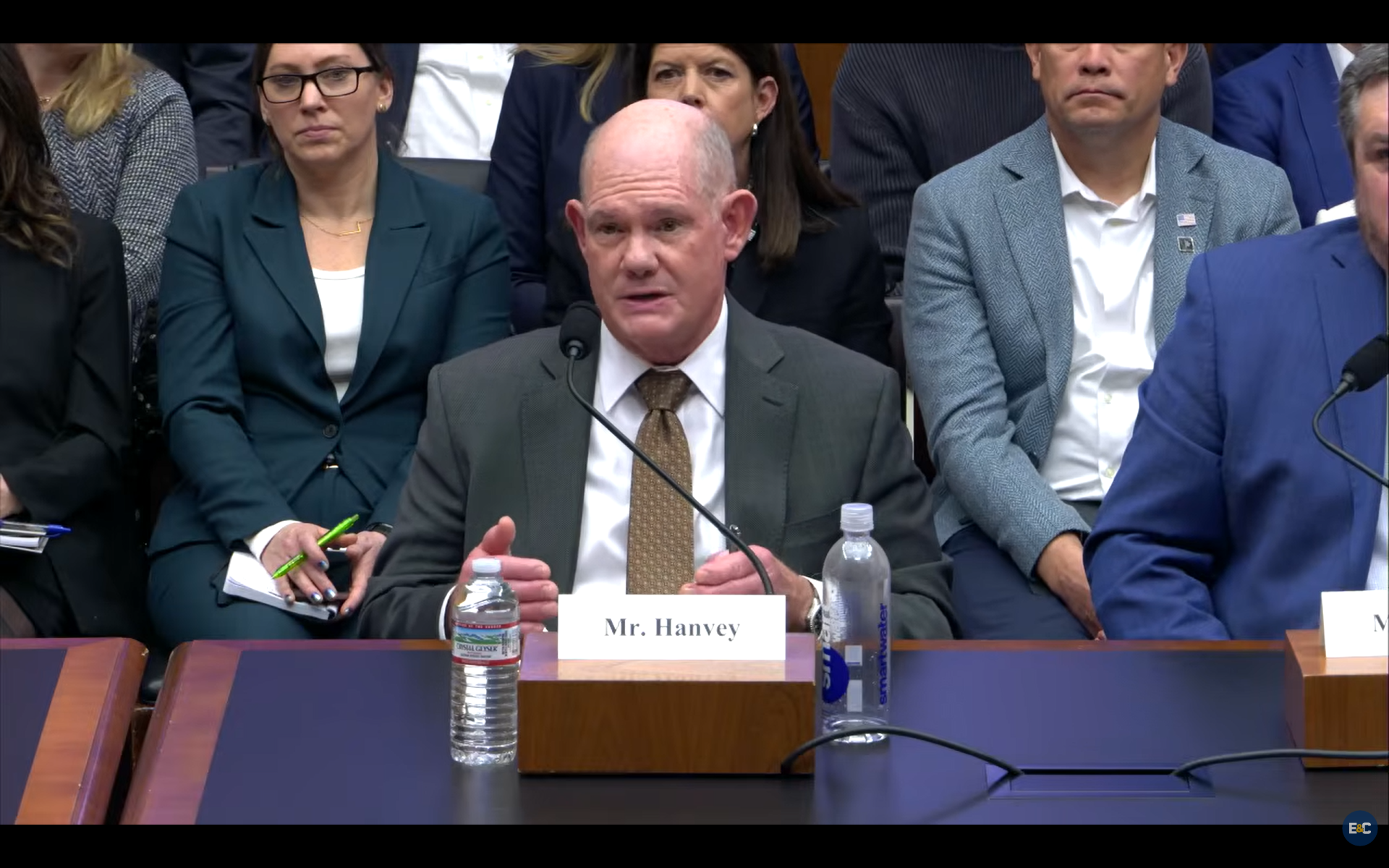
In testimony provided to the subcommittee, Auto Care Association President and CEO Bill Hanvey emphasized that safe, affordable, and accessible vehicle repair is essential to highway safety and consumer protection, particularly as vehicles become increasingly software-driven and data-dependent.
“Today’s vehicles are computers on wheels,” Hanvey said, noting that manufacturers are increasingly restricting access to critical repair and maintenance data. “When vehicle owners and independent repairers are locked out of that data, repairs are delayed, costs increase, and safety can be compromised.”
Hanvey underscored the importance of including the Right to Equitable and Professional Auto Industry Repair (REPAIR) Act (H.R. 1566) in the safety title of the upcoming Surface Transportation Reauthorization Act. He highlighted that the bipartisan legislation, supported by 42 cosponsors and more than 83% of American voters, would immediately enhance safety by ensuring vehicle owners can choose where and how their vehicles are professionally repaired.
Key points from Hanvey’s testimony included:
- Cost and safety impacts on consumers: Manufacturer-imposed data restrictions are forcing vehicle owners into franchised dealerships, where repair costs are, on average, 36% higher and wait times significantly longer.
- Real-world safety consequences: Independent repair shops are routinely unable to complete even basic repairs—such as battery replacements or windshield wiper changes—without dealer-only codes, resulting in unnecessary delays and added risk for drivers.
- Economic and workforce implications: Independent repair shops perform more than 70% of out-of-warranty repairs nationwide and are critical to local economies, workforce development, and vehicle uptime for working families and commercial fleets.
- Cybersecurity and intellectual property protections: The REPAIR Act preserves existing intellectual property rights and cybersecurity standards manufacturers use to deliver data to franchised dealers.
- Commercial vehicle safety: With only about 5,600 medium- and heavy-duty truck dealerships nationwide, independent and mobile repair providers are essential to keeping commercial fleets operating safely, especially in rural and remote regions.
Hanvey warned that without federal action, the automotive aftermarket faces an existential threat that would lead to a vertically integrated industry, reduced competition, higher prices, diminished quality, and fewer choices for consumers.
“The REPAIR Act is pro-consumer, pro-safety, and pro-competition,” Hanvey said. “It simply ensures that vehicle owners can access the repair and maintenance data necessary to keep their vehicles safe and on the road—just as they always have.”
Learn more about the REPAIR Act and send a letter to Congress today at repairact.com.